What Are the Methods for Preventing Unwanted Pregnancy?
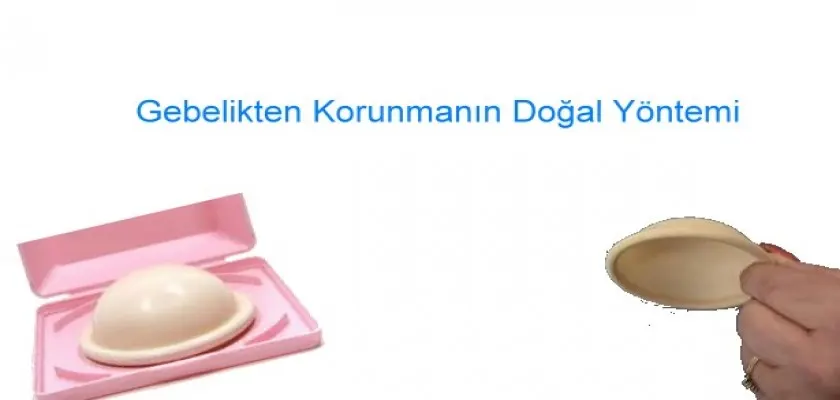
Although not widely used in our country, the diaphragm, which has found widespread use globally, is known colloquially as the female condom. Unlike hormonal contraception methods, it has an extremely natural and simple structure. The diaphragm is very practical and simple as it is a method that can be applied by oneself. When used with certain spermicides and tablets, it provides a high degree of protection against sexually transmitted diseases in addition to preventing pregnancy.
The diaphragm has a protection rate of about 85%.
A Natural Option for Birth Control…
The diaphragm is a rubber or silicone-like device that covers the cervix. In application, it covers the entrance of the cervix and takes on a dome-like appearance. It prevents sperm from entering the uterus, thus preventing fertilization.
There are types with a cervical cap; apart from being more pointed than the diaphragm, they are similar in use. Before inserting the diaphragm, spermicidal cream must be applied inside and around it. With this sperm-killing cream, protection against unwanted pregnancies is doubled.
Get Support for First Use…
Women using a diaphragm for the first time should seek help from health institutions. Here, the appropriate size diaphragm is selected, and information on how to use it is provided. The first application by a gynecologist or nurse is essential for comfortable and correct diaphragm use.
The diaphragm must be placed on the cervix by hand before sexual intercourse. It is not felt during sexual intercourse after being placed on the cervix. The diaphragm should not be removed from the cervix for at least 6 hours after sexual intercourse. In cases of repeated intercourse, at least 6 to 8 hours should be waited. Spermicidal cream must be applied before each intercourse. The diaphragm should be removed no later than 24 hours after sexual intercourse.
The diaphragm is an expensive option. It is obtained by prescription. If used and stored correctly, it can be used for at least two years.
Who Cannot Use It?
It is not recommended for women with a retroverted uterus, those who frequently experience urinary tract infections, or those with bladder or uterine prolapse. Although rare, allergic reactions may occur due to the spermicidal cream or the latex material of the diaphragm.
It can be easily used by breastfeeding women as it has no effect on breast milk.