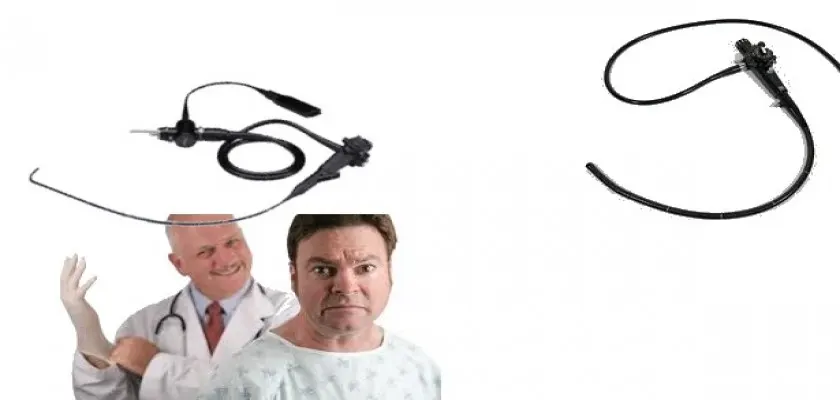
What is a Colonoscopy?
The large intestine is in the lower part of the digestive system. Nutrients not absorbed by the body are stored here, and the useful substances they contain are absorbed by the large intestine (colon) before being expelled as waste.
Early Diagnosis in Digestive System Diseases
Colonoscopy is the examination of the channels in the final part of the digestive system using a device called a colonoscope. The colonoscope, which is a flexible instrument, is about 8 to 9 mm in width and approximately 1.5 m in length. The device is inserted through the anus and allows for the examination of the entire large intestine and the final section of the small intestine. Thanks to the colonoscope device with a micro-camera, problems in the intestinal wall and functional disorders in the intestinal lumen can be detected. Diseases causing external pressure on the intestine, such as tumor formations and infections; problems belonging to the intestinal lumen, such as intestinal obstruction, parasites, foreign bodies; and diseases affecting the intestinal wall, such as colitis, polyps, and tumors, are diagnosed through the colonoscopy procedure. In addition, the treatment for some of these diseases is also performed during the colonoscopy procedure. Biopsies can be taken from the patient using the colonoscope device, foreign bodies in the intestinal lumen can be removed, and internal bleeding in the intestinal region can be stopped. Intestinal torsion can also be resolved non-surgically with a colonoscopy.