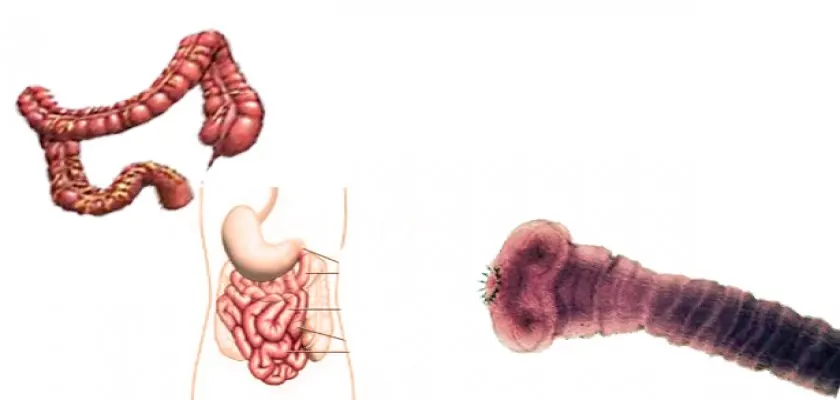
What is Hookworm Disease?
Hookworm disease (Ancylostomiasis) is a common disease, especially among people living in tropical climates. It is seen more frequently in the Black Sea Region. In humans, hookworm disease is caused by roundworms of the Necator Americanus or Ancylostoma duodenale type, which attach to the bronchi, lungs, and duodenum and feed on blood. They range from 1 to 13 mm in length. They thrive in moist environments and soil.
Ancylostomiasis Spreads Through the Skin
The parasites can pass from the intestines to other tissues and organs, leading to many health problems. Hookworm infection particularly lowers the body's resistance in children during their development, leaving them vulnerable to many diseases. In children, Ancylostomiasis can cause vital health problems such as anemia, digestive issues, cognitive impairments, and developmental disorders. In addition, aseptic meningitis can also develop as a result of hookworm infection.
The symptoms of hookworm disease include itching in the genital area, abdominal pain, and severe anemia.
Treatment involves medications that paralyze or kill hookworms and, if necessary, diets containing iron supplements for anemia.
Hookworm infection, which can easily develop in warm environments with inadequate sanitary conditions, is combated with anti-helminthic drugs.