What is Neurofibromatosis?
Neurofibromatosis (NF) is an inherited genetic disorder. It affects the skin, blood vessels, bones, eyes, and nervous system. Type 1 Neurofibromatosis has an incidence rate of 1 in 3000. Its symptoms vary from person to person. Benign lumps on the skin are among the early symptoms of Neurofibromatosis, and while some patients develop a few, others may develop hundreds of lumps (neurofibromas).
Caused by Genetic Defects
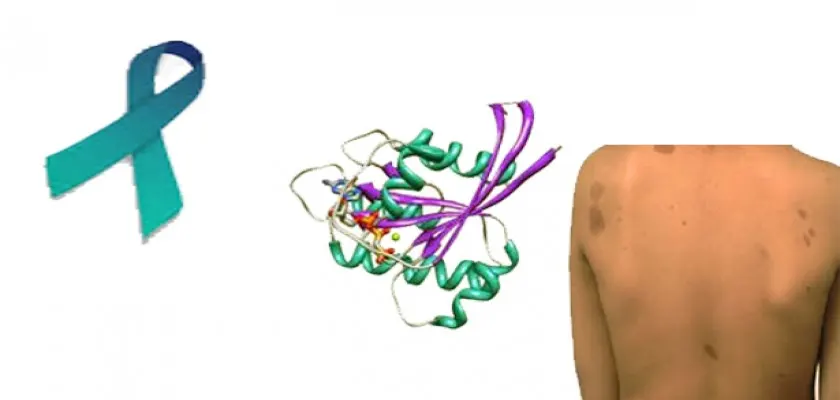
The symptoms of Type 1 Neurofibromatosis mostly appear during adolescence (between 12-18 years old). In addition, it can be seen from birth and in early childhood. Light brown spots on the skin surface (Café-au-lait spots) are not more than 1 or 2 in individuals not affected by Type 1 Neurofibromatosis. However, in patients affected by NF 1, these spots usually appear after birth and their numbers increase with age. Small benign lumps in the iris of the eye (Lisch nodules) are also among the symptoms seen in patients affected by NF 1. In Neurofibromatosis, which is a chronic disease, treatment is aimed at preventing problems such as lumps turning into tumors with cancer risk.