
Foreign Language Education in Children: The Importance of Starting at an Early Age

Foreign language education in children greatly facilitates the learning process when started at an early age. Experts emphasize that the period between 3-7 years is a critical time for language acquisition. During these years, children's brains grasp new words, pronunciations, and language structures more quickly. When foreign language education for children is supported with games and interactive activities, the learning process becomes both enjoyable and lasting. Early language education supports children's language development, increases their self-confidence, and positively impacts their future academic success. For information on this subject and to ask your questions, you can look at relevant online companies on the internet pages and review them in detail from here.
Methods and Techniques for Foreign Language Education in Children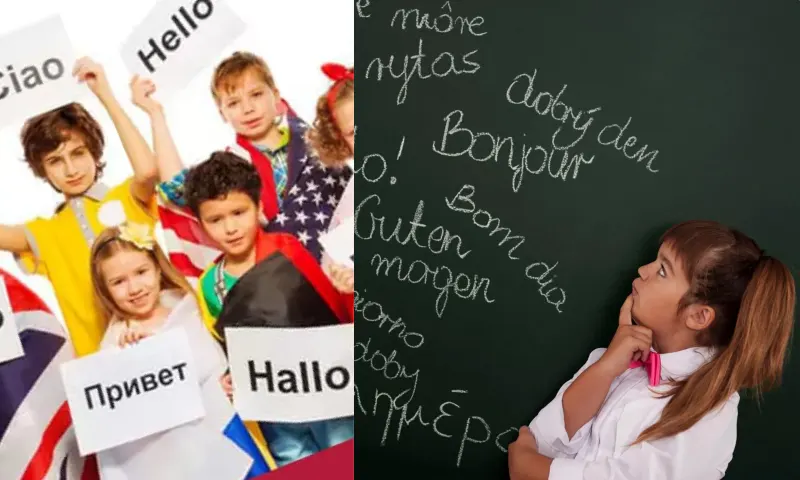
The methods used during foreign language education for children make the learning process efficient. Play-based learning, storytelling, songs, and role-playing help children develop their language skills naturally. Additionally, visual and auditory materials expand vocabulary. When foreign language education for children is reinforced with simple dialogues in daily life, language practice becomes more effective. Patience and consistency are important in language teaching; short and regular lessons allow children to learn without losing their attention.
Foreign Language Education in Children and Its Academic and Social Benefits
Foreign language education in children not only improves language skills but also enhances academic and social competencies. Children who learn a foreign language are more successful in cognitive abilities such as problem-solving, memory, and concentration. Socially, children develop empathy and communication skills by learning about different cultures. Foreign language education for children prepares them for a global world and lays the groundwork for them to learn a second or third language more easily later in life. Therefore, starting foreign language education at an early age offers a significant advantage for both the personal and academic development of children.