
Key Elements of a Reading Room Design
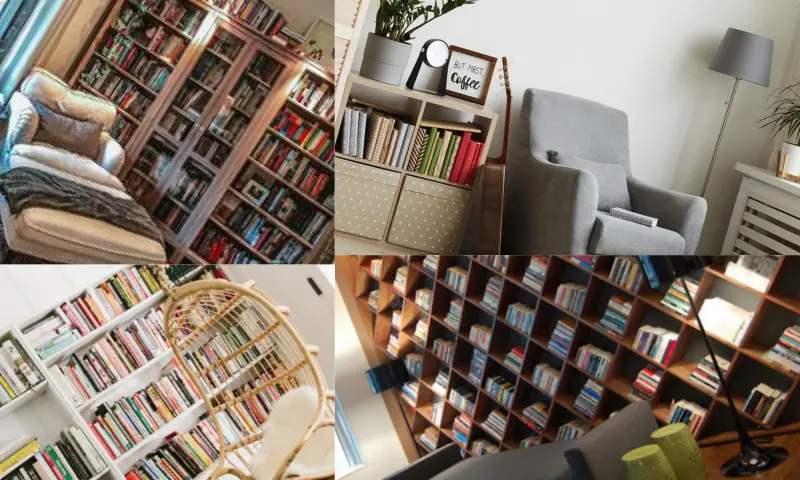
A reading room is a space specifically designed to provide a peaceful and productive reading experience. Key elements to consider in its design include a comfortable seating area, appropriate lighting, and suitable storage solutions. A comfortable reading chair or recliner provides comfort during long reading sessions. It is important that the seat is ergonomic and equipped with back and lumbar support. Lighting is one of the most important components of a reading area; natural light sources or adjustable desk lamps offer a comfortable reading experience by reducing eye strain. Additionally, providing adequate storage space for books is part of the design. Wall shelves, bookcases, or corner shelves ensure that books are stored neatly and are easily accessible. Furthermore, decorative elements and color choices that suit personal tastes complete the atmosphere of the reading room. You can look at the relevant online companies on the web pages to get information on this subject and ask your questions here and examine them in detail.
Comfort and Atmosphere in a Reading Room
The comfort and atmosphere of a reading room affect the quality of the reading experience. To create a comfortable environment, the room's temperature and humidity levels should be regulated. A soft rug or floor covering provides comfort for the feet. The acoustic regulation of the room, minimizing external noise and ensuring a quiet environment, is also important. The room's color palette plays a significant role in creating a peaceful and relaxing atmosphere; pastel tones or neutral colors create a calming environment. Personal touches enhance the character of the reading room; family photos, personal artworks, or decorative objects make the room warmer and more inviting. Additionally, a seating corner by a window or the addition of plants provides a natural touch and freshness.
Organization and Functionality of a Reading Room
A reading room should be organized both aesthetically and functionally. Storing books neatly provides visual order and allows for easy access to them. The height and width of bookcases or shelves should be chosen according to the book collection. Additionally, creating a separate area for reading materials and accessories facilitates organization. A table or side table in the reading room provides a useful space for drinks, notes, or other reading materials. In the room's arrangement, having all the tools and materials you might need while reading at hand ensures a productive reading experience. The layout and organization of the room should be customized according to personal needs and reading habits. This ensures that the reading room is both a relaxing and functional space. A reading room creates a personal sanctuary and a special space for discovering knowledge. Design, comfort, and organization enhance the functionality and comfort of this space, making your reading experience more enjoyable. A reading room that reflects your personal tastes provides the perfect environment for both a mental escape and a break from the stress of daily life.





