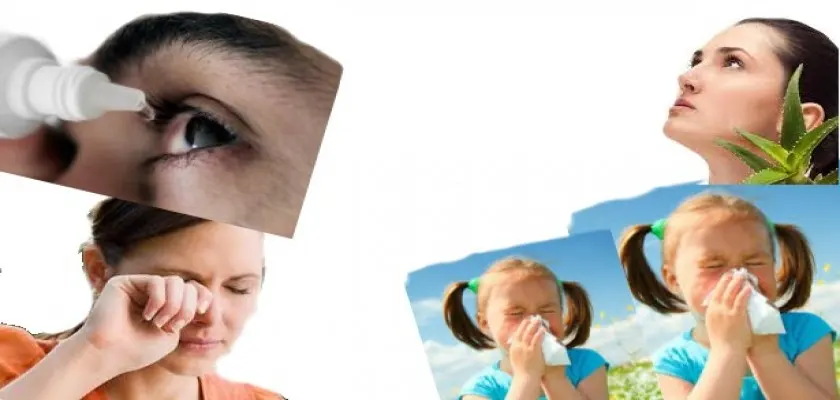
What Triggers Eye Allergies?
Eye allergies, which worsen in the spring, have the most well-known symptoms: red and burning eyes that are vulnerable to external stimuli like light, continuous head pain, itchy nose due to postnasal drip, and a ticklish cough. Eye allergy can occur alone or accompany upper respiratory allergies.
In seasonal allergies, flower dust and pollens, seeds of some trees, and grasses can trigger allergies. Those with eye allergies should protect themselves from the sun and natural factors that can cause irritation, especially during transitional seasons. Sunglasses should not be neglected as they protect from the sun while also preventing dust from entering the eyes.
Many factors trigger non-seasonal allergies. Working in jobs that require long-term concentration increases eye sensitivity; factors like excessive computer use create a predisposition to dry eyes and allergies. Daily habits such as watching television for long hours and inhaling chemical cleaners cause reactions in the eyes. Similarly, unhealthy makeup products, dust in enclosed spaces, pets, cigarette smoke, and perfumes negatively affect eye health, leading to allergic reactions.
Eye inflammations, microbial diseases, dry eye disease, and eyelash mites are conditions that can be mistaken for eye allergies. The side effects of some medications also cause eye irritation. Therefore, individuals should not self-treat their eyes, which are the most sensitive organs of the body, and should not use treatments that work for others, such as drops and ointments. The diagnosis of eye allergy must be made by a physician.