
The History and Development of Aviation
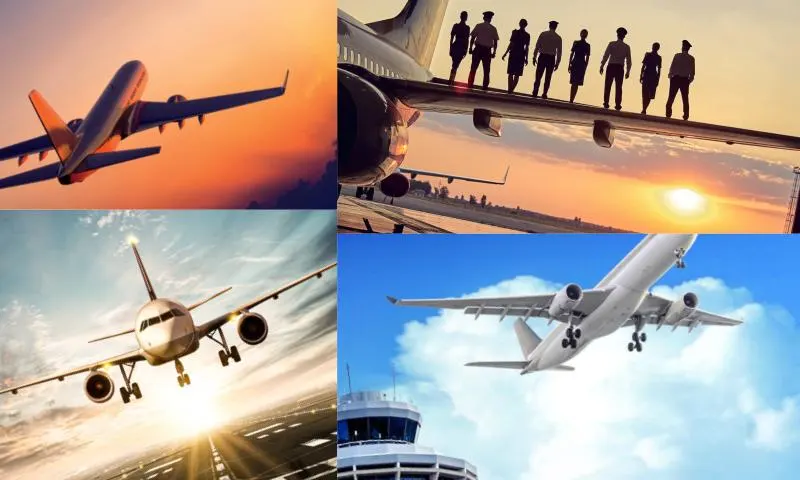
For all of human history, people have dreamed of reaching the sky. This adventure, which began with observing the flight of birds, has made great progress from balloons to airplanes, from jets to space shuttles. Today, aviation holds an indispensable place in transportation, trade, defense, and science. The history of aviation begins with the human quest for flight dating back thousands of years. The first significant step that carried humans into the sky was the flight of the Montgolfier brothers with a hot air balloon in the 18th century. However, the real major developments occurred in the 20th century. In 1903, the Wright Brothers made history with the "Flyer," the first airplane to achieve powered and controlled flight. This invention laid the foundation for modern aviation and enabled the rapid development of aircraft technology. World War I and World War II greatly contributed to the development of fighter planes and jet engines. In the post-war period, passenger planes and commercial aviation developed rapidly. With the widespread adoption of jet engines from the 1950s onwards, air travel accelerated, and the world became more connected. Today, technologies such as supersonic aircraft, unmanned aerial vehicles (UAVs), and electric aircraft are shaping the future of aviation.
The Impact of Aviation in Different Fields
Aviation is not limited to the transportation sector. It also holds great importance in military, scientific, and commercial fields. Commercial aviation makes it possible to transport people and goods quickly and safely. Today, millions of people travel by plane every day, and a large portion of international trade is carried out by air cargo. Military aviation plays a critical role in defense and security. Fighter jets, unmanned aerial vehicles (UAVs), and reconnaissance aircraft are among the most important elements of modern armies. Space aviation is another field that pushes the boundaries of humanity. Space shuttles, satellites, and rocket technologies represent the most advanced levels of aviation. Projects aimed at sending humans to Mars and the activities of private space companies are among the biggest future goals of aviation.
The Future of Aviation and New Technologies
The aviation sector is constantly evolving with environmentally friendly technologies and new transportation models. Innovations such as electric aircraft, hydrogen-powered engines, and artificial intelligence-assisted pilot systems are paving the way for sustainable aviation. Furthermore, with hypersonic flights, it is planned for aircraft to reach five times the speed of sound in the future. This will significantly reduce intercontinental travel times. Vertical Take-Off and Landing (VTOL) aircraft can offer innovative solutions to traffic problems by enabling urban air mobility. Meanwhile, new sectors like space tourism are further expanding the boundaries of aviation. Aviation has undergone a great transformation from the past to the present, becoming an indispensable part of human life. This sector, which both facilitates transportation and offers revolutionary innovations in defense and exploration, will witness even greater developments in the future. Thanks to technological advancements, perhaps in the near future, humans will be able to make regular journeys to the Moon or Mars. Aviation is not just a means of transport, but also a journey of discovery that pushes the boundaries of humanity.





