
Definition and Importance of the Mining Industry
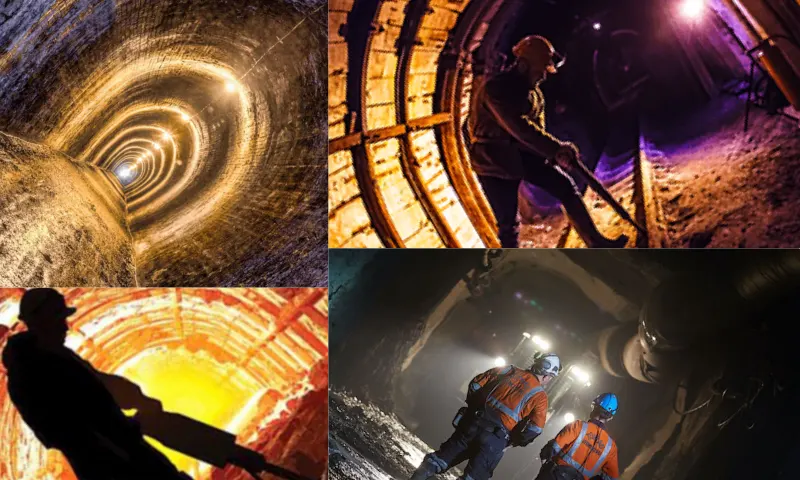
Mining is an industrial activity aimed at extracting underground and aboveground resources. These resources can include precious metals, minerals, energy sources (coal, oil, natural gas), quarries, and more. The mining industry is vital for sectors such as construction, energy production, electronics, automotive, and many others. It also makes a significant contribution to the economies of many countries. For information on this subject and to ask your questions, you can look at the relevant online companies on web pages and examine them in detail from there.
Stages of the Mining Process and Environmental Impacts
Mining generally consists of several stages: exploration, mine opening, extraction, processing, and finally, conversion into products. These stages help in the efficient use of natural resources, but they also bring along environmental impacts. During the opening and processing of mines, natural habitats can be destroyed, water sources can be polluted, and the effects on local communities can be negative. Therefore, sustainable mining practices are becoming increasingly important.
The Role of Mining and Technology
Technology has greatly influenced the mining industry. Advanced drilling technologies make it possible to reach deeper into mines and conduct more precise resource estimations. Automation and remote monitoring systems improve the efficiency of mining operations while also enhancing worker safety. Furthermore, various clean production technologies are being integrated into mining processes to reduce environmental impacts. In conclusion, the mining industry is an indispensable part of the global economy and supports many sectors. However, more effort is needed for the sustainable use of natural resources and the reduction of environmental impacts. Technology will continue to shape developments in this field, and sustainable mining practices will become even more widespread.





