
How is Underfloor Heating Styrofoam Evaluated in Terms of Energy Efficiency?
How to Determine if Underfloor Heating Styrofoam Material is Eco-Friendly?
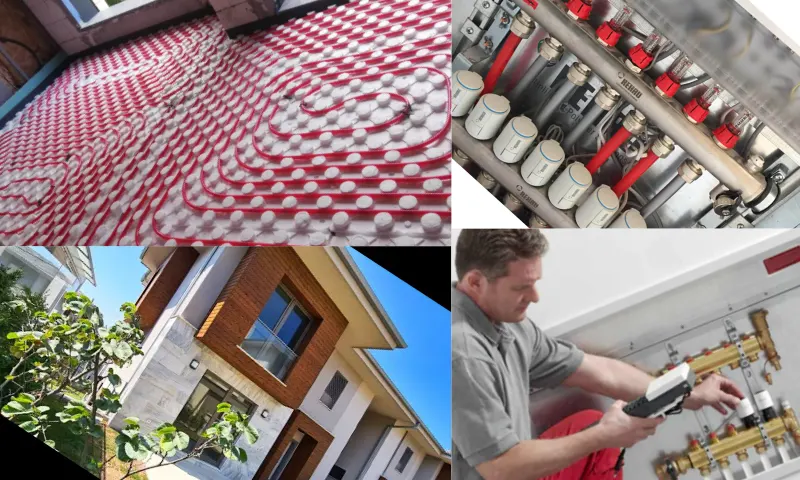
Underfloor heating styrofoam should have low thermal conductivity. Low thermal conductivity minimizes heat loss from under the floor and increases heat transfer, ensuring energy efficiency. High-density styrofoam materials provide better thermal insulation. A dense structure prevents heat transfer, leading to energy savings. Proper installation and placement of underfloor heating styrofoam increase energy efficiency. Any gaps or irregularities can cause energy loss. The waterproof properties of styrofoam prevent the floor from getting wet and improve energy efficiency. Wet floors can cause energy loss by increasing heat transfer. For more information about underfloor heating styrofoam, you can visit the web address: https://www.isienerji.com/yerden-isitma-straforu/
What are the Differences Between Underfloor Heating Styrofoam and Other Insulation Materials?
To evaluate whether underfloor heating styrofoam is eco-friendly, several factors need to be considered. Eco-friendly styrofoam materials contain recycled content. This contributes to the conservation of natural resources and reduces environmental impact. The production process of styrofoam should be evaluated in terms of energy consumption and emissions. Low energy consumption and low carbon emissions indicate an eco-friendly production process. Eco-friendly styrofoam materials should have recyclable properties. Recycled materials have a positive environmental impact by reducing waste. Underfloor heating styrofoam has different properties compared to other insulation materials. Underfloor heating styrofoam is a lightweight and flexible material, which provides flexibility in application. It can be lighter than other insulation materials. Styrofoam has an easy application process. Cutting and placing the panels are simpler compared to other materials. Some types of underfloor heating styrofoam have water insulation properties, which prevent water leaks from under the floor. This feature is less common in other insulation materials.





