
Urban Transformation: Rebuilding Cities

Urban transformation refers to the process of converting old and earthquake-vulnerable structures into modern, robust, and sustainable living spaces. This process encompasses not only physical structures but also social, cultural, and economic aspects. Urban transformation projects are typically carried out with objectives such as renovating residential areas, improving infrastructure, arranging the environment, and increasing social amenities. In recent years, urban transformation projects have gained momentum in Turkey, aiming to create safe living spaces by improving the housing stock in major cities. Urban transformation has also become a significant tool for supporting economic development, creating employment opportunities, strengthening infrastructure, and improving the environment. Furthermore, the construction of earthquake-resistant buildings reduces risks by ensuring public safety. For information on this topic and to ask your questions, you can consult relevant online companies on web pages and conduct a detailed review from there.
Social and Economic Impacts of Urban Transformation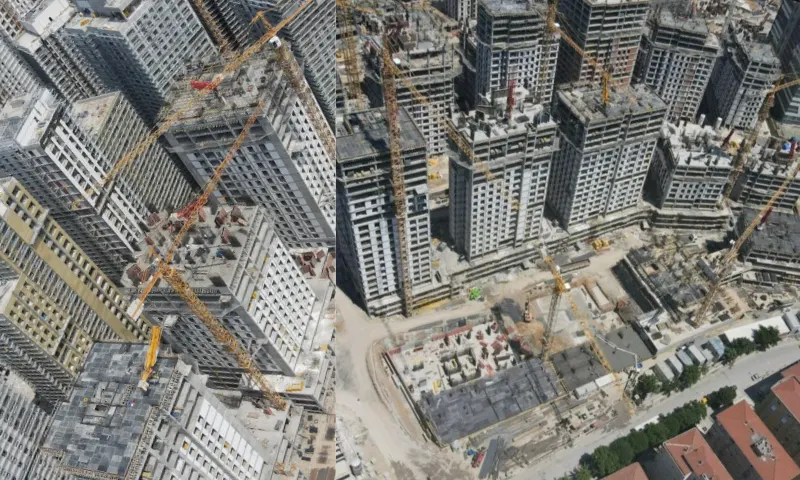
Urban transformation projects have not only physical impacts but also social and economic ones. This process aims to improve the quality of life for local residents by transforming the social structure. Newly constructed buildings offer more modern living spaces, allowing people to live in better conditions. However, this process can also bring some challenges. Specifically, displacement, the loss of neighborhood fabric, and changes in social structures can create some negative effects. While local residents move to new buildings offering better conditions, problems can arise, such as some old residents being unable to benefit from the project due to their economic situations. Nevertheless, urban transformation also has significant economic benefits. New construction projects create employment and encourage sectoral growth. Additionally, modern living spaces attract the interest of tourists visiting cities and help revitalize trade.
Environment and Sustainability in Urban Transformation
The impact of the urban transformation process on the environment can be very positive when shaped by proper planning and sustainability principles. In these projects, elements such as using environmentally friendly materials, ensuring energy efficiency, and increasing green spaces are of great importance. This way, cities become healthier and more livable. Sustainable urban transformation helps protect natural resources while also improving the quality of urban life. The integration of recycling systems, waste management, building designs that save energy, and the use of renewable energy sources minimize environmental impact. These types of transformation projects enhance the well-being of city dwellers and protect the ecosystem. Urban transformation projects offer significant opportunities for the development and improvement of cities. However, these processes must be planned correctly, social justice must be ensured, and environmentally sensitive solutions must be produced. Urban transformation is the key to building more sustainable and livable cities of the future.





