
What is Maritime Transport and Its Importance?

Maritime transport refers to the movement of goods and passengers from one point to another by sea. This mode of transport, the backbone of global trade, accounts for approximately 80% of the world's trade volume. The high cargo capacity of ships makes maritime transport ideal for carrying large quantities of products. At the same time, its lower cost compared to other modes of transport makes it preferable, especially for long-distance international trade. Maritime transport is important not only economically but also environmentally. Its lower carbon emission rates compared to other transport types make maritime transport indispensable for sustainability goals. Furthermore, the economic development of major port cities and the growth of the logistics sector also rely on maritime transport. For information on this subject and to ask your questions, you can examine the relevant online firms on internet pages and conduct a detailed review from there.
Ships and Methods Used in Maritime Transport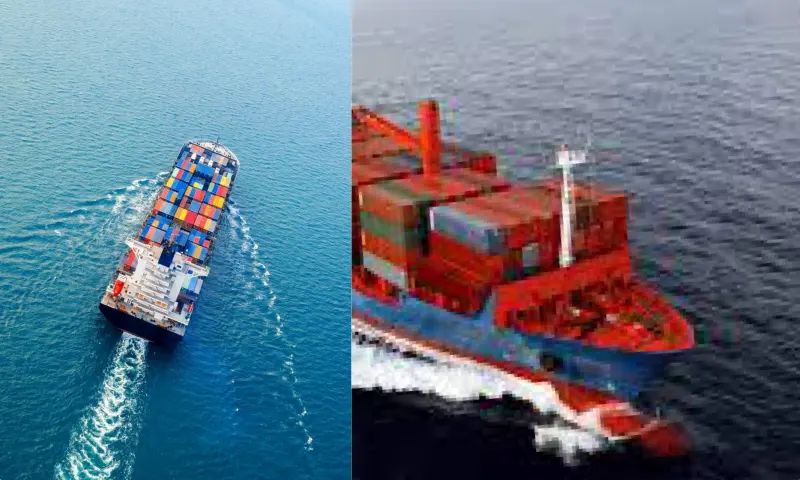
Maritime transport is carried out by different types of ships depending on the type and quantity of cargo being transported. While conventional cargo ships are used for bulk and general cargo, container ships are the most common type of ship used in modern trade. Container ships ensure the safe and fast transport of goods and facilitate loading and unloading processes at ports. Apart from these, tanker ships are used for the transport of liquid cargo, especially oil and gas, while RORO (Roll-On/Roll-Off) ships are preferred for vehicle transport. Ferry and passenger ships are specifically designed for the transport of people. Shipping routes are determined based on factors such as weather conditions, water depth, and port infrastructure. Strategic transit points such as the Suez Canal and the Panama Canal play an important role in regions with high international trade.
The Future of Maritime Transport and Digitalization
Maritime transport is constantly evolving with technological advancements. Digitalization and automation are among the main innovations that increase efficiency in the sector. Particularly, smart port systems and automatic loading and unloading equipment reduce processing times and lower costs. Furthermore, the use of environmentally friendly fuels and ship designs that reduce carbon emissions increase sustainability in maritime transport. Ship tracking systems and AI-supported routing technologies make transportation processes safer and more efficient. While maritime transport maintains its indispensable place in the global economy, it is expected to evolve into a more environmentally friendly and technology-oriented structure in the future. This transformation will make the sector more competitive and sustainable.