
What is Pesticide Resistance and How Does it Occur?
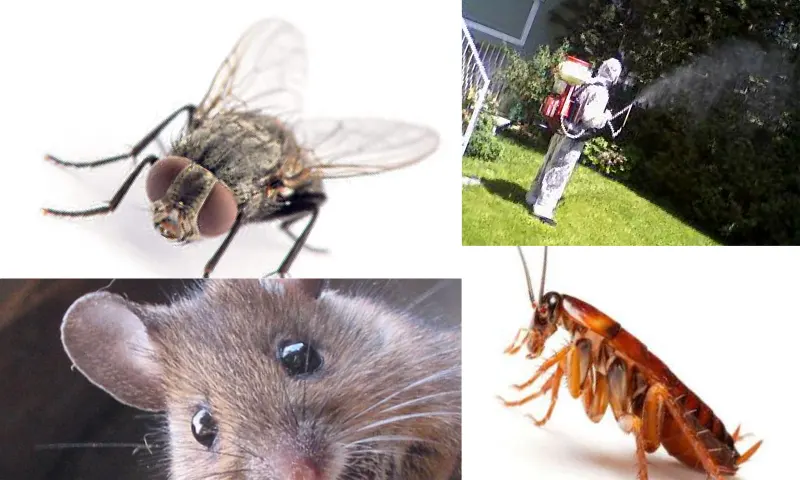
Pesticide Resistance and Control Methods
Pesticide resistance is the situation where pest insect populations develop resistance to certain pesticides. You can visit https://haseremarket.com/ to buy pesticides. This resistance usually arises due to the genetic diversity and rapid reproduction capabilities of insects. Among the pests exposed to pesticides, some individuals may naturally be more resistant to the pesticide. These resistant individuals have a survival and reproduction advantage, so they pass on these resistance traits to subsequent generations. Over time, this leads to the development of a pest population resistant to the pesticide.
Use of Chemical Alternative Methods with Pesticides
One of the most effective strategies in combating pesticide resistance is the implementation of Integrated Pest Management (IPM) methods. IPM uses a combination of chemical, biological, and cultural methods to control pests. These methods include controlling pests with their natural enemies, crop rotation, using resistant plant varieties, and applying chemical pesticides carefully and strategically. During the use of chemical pesticides, it is recommended to use pesticides with different active ingredients alternately, rather than continuously using pesticides with the same active ingredient. This helps prevent insects from developing resistance to the pesticide. Careful and conscious use of chemical pesticides is of great importance in combating resistance. Applying pesticides at the correct dosage and at appropriate times can slow down the development of resistance. Furthermore, in addition to chemical methods, mechanical and physical methods can also be effective in combating resistance. For example, mechanically collecting pest insects, using traps, and creating physical barriers can reduce dependence on chemical pesticides. Organic farming and permaculture methods can also prevent the development of resistance by minimizing chemical use.





