
Eye Examinations in Babies: Why Are They Important?
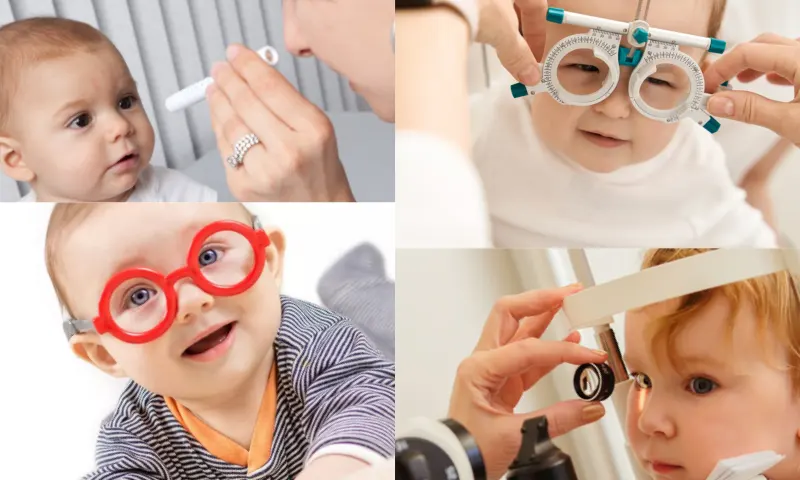
Eye health in babies forms the foundation for good vision throughout life. The vision development of newborn babies progresses rapidly in the first few months, and early diagnosis of potential eye problems is of great importance during this period. Eye examinations help identify congenital eye diseases or those that emerge in early childhood. For example, conditions such as cataracts, glaucoma, and strabismus can be managed with early intervention. Babies' vision affects not only their physical development but also their cognitive and social skills. Therefore, regular eye examinations are a step that should not be neglected for healthy growth and development. You can look at relevant online companies on internet pages to get information on this subject and ask your questions, and examine them in detail from here.
When Should Eye Examinations Be Performed in Babies?
The first eye examination for babies is usually done at the hospital immediately after birth. This check, performed as part of neonatal screening, aims to detect serious congenital eye diseases. However, this first examination is not sufficient. Babies' eye health should be regularly evaluated by a pediatrician within the first year. A detailed eye examination, especially at 6 months, is critically important to understand whether vision development is progressing correctly. It is recommended that parents immediately consult an ophthalmologist if they notice symptoms such as abnormalities in the baby's eye movements, squinting one eye, or inability to focus on an object continuously.
What Tests Are Performed During an Eye Examination?
Eye examinations in babies are performed with simple and painless tests appropriate for their age. First, pupillary responses are evaluated with a light reflex test. Then, the internal structures of the eye are examined with a device called an ophthalmoscope. During this process, the doctor examines the retina, optic nerve, and lens in detail. In addition, movement tests may be performed to understand if the eye muscles are working properly. If conditions such as strabismus or lazy eye are detected, treatment can be planned at an early stage. The methods used during the eye examination are completely safe for babies and do not cause any discomfort. In conclusion, eye examinations in babies ensure the preservation of eye health through early diagnosis and intervention. Regular participation of parents in these examinations greatly contributes to their babies developing healthy vision.





