
What is Bile Duct, Cholangiocarcinoma Cancer?
Can Klatskin Tumor Be Treated?
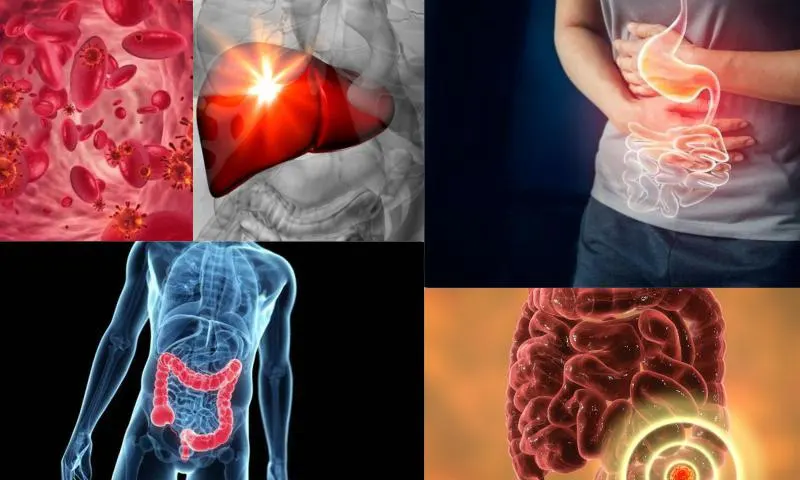
The gallbladder, pancreas, liver, and stomach are interconnected organs of the body. Therefore, cancer in one location can affect other organs. The bile duct, which regulates liver and stomach enzymes, is particularly connected to these organs via fine channels. Bile duct cancers can therefore occur in any part of the liver. Bile is produced in the liver and transported to the intestines through the bile duct. The bile ducts are connected to the right and left halves of the liver. The type of cancer that forms in this region is called a Klatskin tumor. You can contact us at [website address] for high success rates and professional support in surgeries. This tumor, which is rarely seen in our country and worldwide, generally occurs in individuals over 50 years of age.
Symptoms of Bile Duct Cancer
The location and size of the tumor in that area are important for determining the treatment method and success rate. Treatment is shaped accordingly. Different surgical and treatment methods are applied for different Klatskin tumors. The type and stage of the disease closely affect the surgical process. Pre-operative treatment methods may be needed. For a tumor located in a single region that has not spread to neighboring vessels and organs, surgery can be performed immediately, and the success rate in surgery is quite high. We can say that the disease, which develops in stages 1 to 4, is the most difficult type of cancer to treat. In bile duct, pancreas, liver, and stomach cancers, the symptoms are generally similar. Weakness, fatigue, and loss of appetite are the symptoms shown in the initial stages of the disease. In later stages, the stool becomes white, while abdominal pain increases. Due to loss of appetite, individuals can no longer eat and enter a rapid weight loss process. If there is inflammation in the cancer region, patients experience high fever. Jaundice is observed in the skin and the whites of the eyes. Abdominal pain and other symptoms can intensify in advanced stages.





