
Let's Get to Know Spring Allergies Up Close
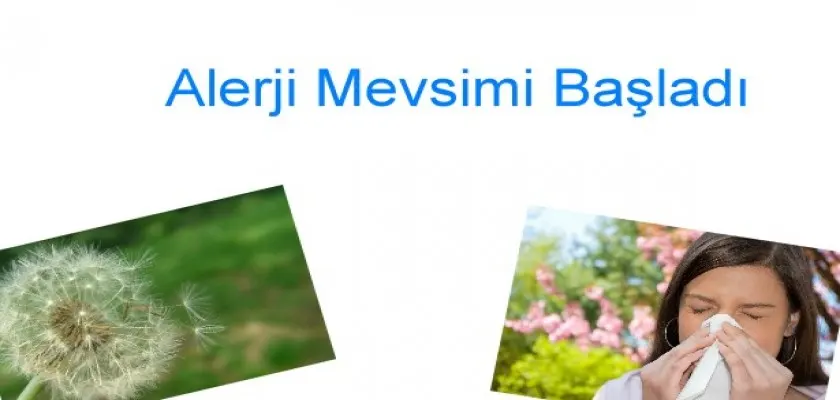
As the weather warms up and spring approaches, spring allergies, which usually appear in April or May, begin to show themselves. If you have symptoms such as nasal congestion, watery eyes, runny nose, sneezing, coughing, or itching, you can consult a doctor to see if you have spring allergies.
So what is this spring allergy?
With the arrival of spring and the blooming of trees, pollen spreads into the atmosphere with the effect of the wind. Since the wind causes pollen to mix more with the air, complaints also increase. However, it is not just the external conditions that cause spring allergies. Often, the pollens of some ornamental flowers that we keep in our homes do not mix with the air and spread to the environment through insects or bees. Animal dander and mold should also be counted among the triggers of allergies. Those with a genetic predisposition or an allergic constitution are confronted with spring allergies due to the effect of both airborne pollens and fungi.
Spring allergies usually do not last more than 15 days. The discharge is colorless, there is no cough or fever. Allergies occur in intermittent crises. Diagnosis is usually made through allergy tests and allergen substances inserted into the nose. Spring allergies are a treatable condition. However, many people ignore their symptoms, not realizing that it can lead to more serious consequences later. Therefore, when allergy symptoms appear in spring, one should definitely go to the doctor and start treatment after having the necessary tests done.





