
Teething in Babies: Symptoms, Problems, and Solutions
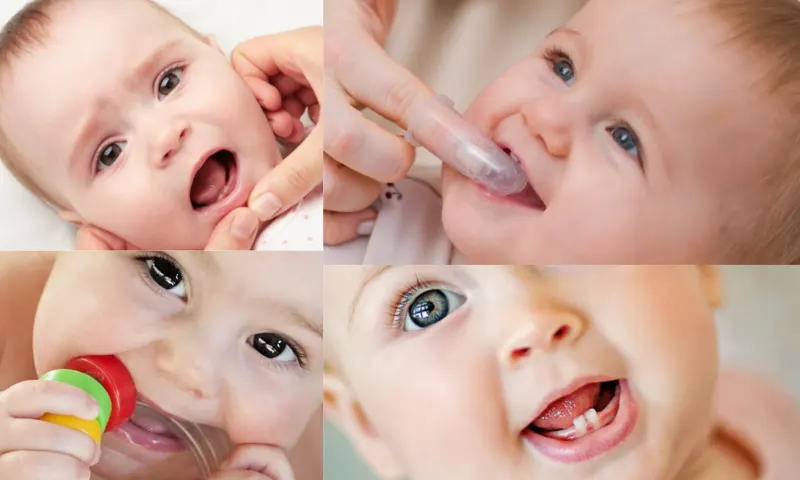
The teething period for babies can be a challenging process for both babies and parents. Various symptoms can appear in babies during this period, and it is important for parents to know how they can help. The teething period in babies usually begins around six months of age and lasts for most babies until they are two to three years old. Various symptoms can appear in babies during the teething process. These include fever, restlessness, excessive drooling, swollen and red gums, teeth grinding, and loss of appetite. These symptoms usually start a few days before the tooth begins to emerge and subside after the tooth has erupted. For information on this subject and to ask your questions, you can look at the relevant online firms on web pages and examine them in detail from there.
Problems Encountered During Teething
Some problems may arise in babies during the teething process. These include gum itching and pain, loss of appetite, and irregular sleep patterns at night. These problems are usually temporary, and parents can help their babies by applying soothing methods. These methods may include using teething rings, giving cold items, or gently massaging the gums.
What to Do During Teething in Babies
Things to do during the teething process in babies include regularly checking the baby's mouth, using soothing products such as teething rings, giving cold items, and gently massaging the gums. Additionally, you can try to comfort your baby during this period by holding them with more love and affection. We have provided information about the symptoms, problems, and solutions of the teething period in babies. To help this period pass comfortably for babies, it is important for parents to recognize the symptoms and take appropriate interventions. If you notice severe pain, fever, or other serious symptoms in your baby during the teething process, it is important to consult a healthcare professional.





