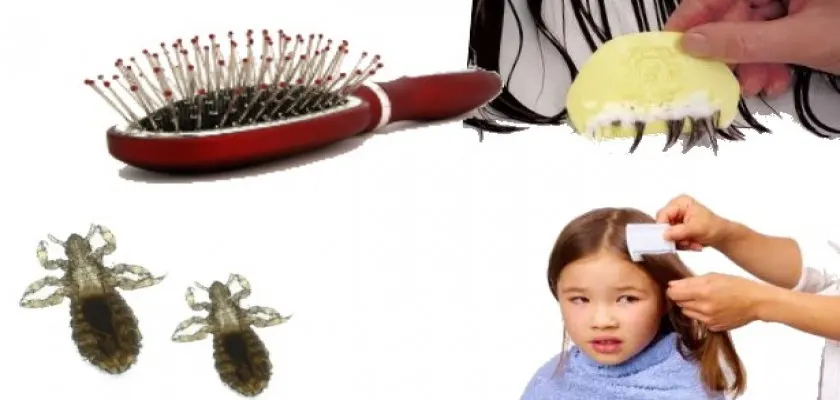
What is head lice?
Head lice (Pediculosis) is a parasitic disease that can occur at any age, especially during childhood. Head lice are divided into two types based on where the parasites settle on the human body: Pubic Pediculosis and Humanus Pediculosis. The most common type of Humanus Pediculosis is Pediculosis Capitis, which means head lice.
Capitis Pediculosis is more common in children and women than in men. It is easily spread in places where close contact occurs, such as public transportation, dormitories, schools, and barracks. It is contagious in situations such as sharing common accessories and clothing, and sharing sleeping areas. Lice can survive for 2 days outside the human body, and their eggs can survive for 10 to 15 days.
The early symptom of pediculosis is itching, which is an allergic reaction to lice. Female lice, which suck blood 2 to 8 times a day, lay 4 to 5 eggs on the scalp. These eggs, called nits, hatch within 6 to 10 days. Itching is intense, especially in the temples and nape of the neck, and increases at night. Fluid-filled bumps may form where the lice bite.
Lice cannot be removed from the scalp by washing. Specific products developed against the louse parasite should be used.