
What is Structural BIM?
How is Structural Analysis Done with Structural BIM?
Structural BIM (Building Information Modeling) is a digital approach used for the design, management, and analysis of structural engineering projects. BIM includes the 3D modeling and integrated database of structural components, materials, systems, and connections. Structural BIM enables architects, engineers, and other stakeholders to share data and collaborate in real time. This increases the accuracy, efficiency, and sustainability of structural design. Structural BIM facilitates the flow of information throughout the entire project lifecycle, reduces errors, and optimizes decision-making processes. For more information about Structural BIM (Building Information Modeling), you can visit https://idecad.com/architecture-engineering-construction/building-design/bim-for-architects/.
What are the Contributions of Structural BIM to the Structural Engineering Design Process?
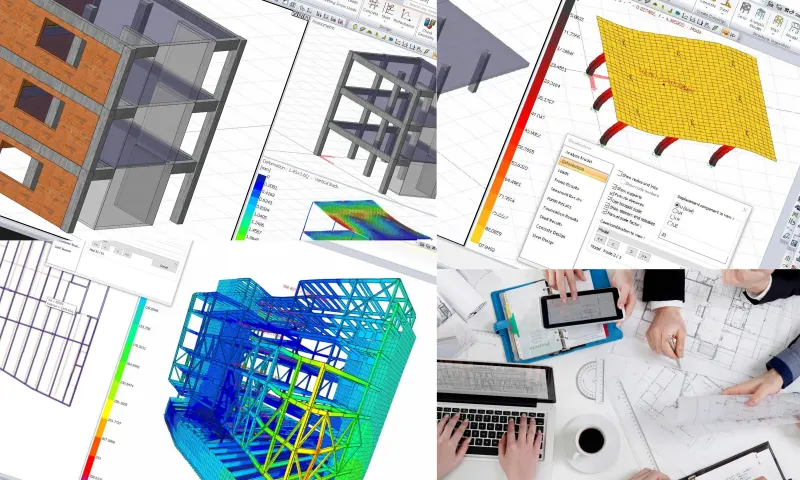
Structural BIM is a tool that facilitates and optimizes structural analysis processes. BIM software can perform structural analyses effectively through its 3D modeling and simulation capabilities. A 3D model of structural components and systems is created. Then, these models are equipped with appropriate parameters for analysis, such as load conditions, material properties, and boundary conditions. Structural BIM software performs static, dynamic, thermal, and various other analyses based on this data. The analysis results are visualized on the 3D model, allowing engineers and designers to identify potential problems and develop solution strategies. Structural BIM provides many contributions to the structural engineering design process. Thanks to BIM's integrated database and 3D modeling features, designers and engineers can create more consistent, accurate, and detailed projects. This improves the quality of structural design and prevents errors. Structural BIM facilitates collaboration by offering real-time data sharing and collaboration opportunities, allowing professionals from different disciplines and expertise areas to come together and work jointly. This prevents conflicts, improves coordination, and ensures consistency at different stages of the project.





