
What is Waste, What are the Types of Waste
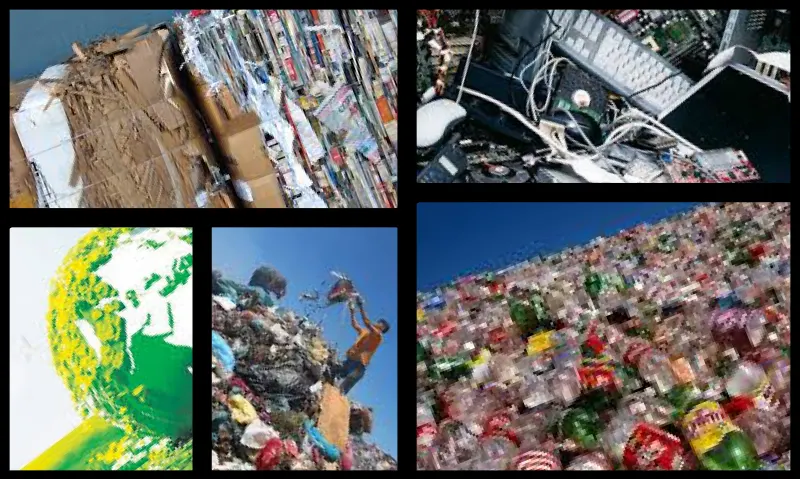
Types of Waste
All solid, liquid or gaseous substances that originate from production or consumption and are not used or have expired their period of use are considered waste. The word 'atık' (waste), derived from the verb 'atmak' (to throw), means that which is thrown away or will be thrown away. As understood from its meaning, everything on the verge of being thrown away should be considered waste. These substances can be classified as hazardous and non-hazardous. Hazardous and non-hazardous waste management aims to re- kazanmak (re-gain/recycle) unused and discarded substances back into the economy by collecting them appropriately according to their types.
Waste Management
Non-standard products, products that have passed their period of use, products that have lost their properties, chemicals originating from production, electronic parts, surface treatment residues, medical substances used in hospitals and similar healthcare institutions... and many other things are considered waste. In a general framework, waste can be classified as domestic and industrial. Or, waste can be classified on a sectoral basis. According to their type, wastes can be classified as paper waste, wood waste, plastic waste, glass waste, composite waste, metal waste, organic waste, electronic waste, vegetable oil waste... These wastes should be evaluated within the framework of hazardous and non-hazardous waste management and recycled or disposed of without harming humans and nature. Professional waste management should be carried out in accordance with the rules and principles determined in the relevant regulation. The Waste Management Regulation has determined the rules and principles that must be followed, from how waste should be collected to disposal processes. Waste management and disposal should be carried out within this framework.





