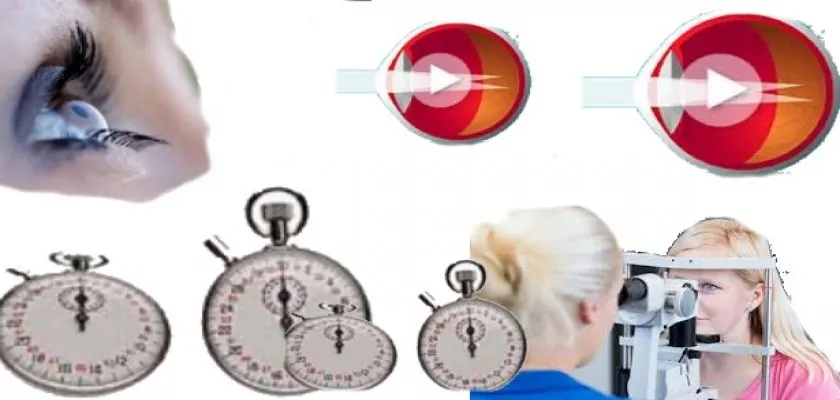
What is Astigmatism?
Astigmatism, a genetic eye disorder, occurs when the cornea is shaped like an egg instead of being round, causing images to not fall clearly on the retina. Two images are formed instead of one on the retina, leading to blurred vision. Mild astigmatism is rarely problematic and does not require treatment.
Symptoms such as eye pain and fatigue, blurred or shadowy vision both up close and far away, and headaches are indicative of astigmatism. However, myopia or hyperopia can also accompany the condition. Astigmatism is typically an inherited condition. In rare cases, it can also occur as a result of eye surgery.
The effort to achieve clear vision causes pressure and pain in the head area; the patient tires quickly. In cases of severe astigmatism that cannot be corrected with glasses or lenses, there is no definitive treatment for the patient. The best vision is achieved with hard or semi-rigid lenses; however, the patient may also prefer soft lenses, which are less uncomfortable to use. If contact lenses or glasses are not an option due to irritation, corneal transplantation is also a treatment option for astigmatism.