
What is Underfloor Heating System For?

Underfloor heating system is a heating method used to heat buildings and provide a comfortable indoor environment. This system takes on the function of heating rooms by spreading heat from beneath the floor. This system, which works with water or electricity, offers many advantages over traditional radiator or forced-air heating systems. You can look at the relevant online companies on the internet pages for information on this subject and to ask your questions, and you can examine them in detail from here.
What are the Advantages of Underfloor Heating System? 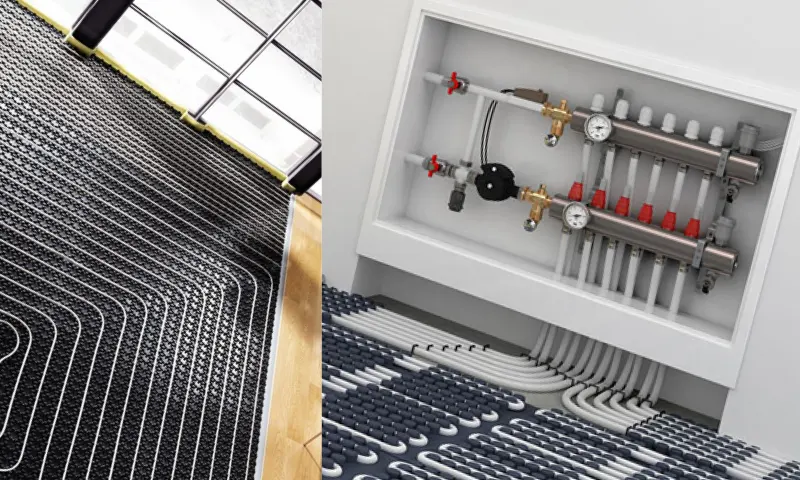
The underfloor heating system has many advantages. This system provides homogeneous heating thanks to the heat slowly radiating from the floor of the rooms. This results in an even temperature distribution throughout the room and prevents the formation of cold spots. The underfloor heating system increases energy efficiency by offering heating with lower energy consumption because it operates at a lower temperature. The large heated surface also contributes to the fast heating and cooling processes in this system. Another advantage is aesthetics. The underfloor heating system provides greater design freedom in rooms by hiding traditional heating elements. This system, which offers flexibility in furniture arrangement, provides a heating solution that does not take up space on walls or near windows.
Where to Look for Underfloor Heating System?
There are some important factors to consider before installing an underfloor heating system. The existing floor structure should be examined. It should not be forgotten that different materials such as wood, ceramic, or concrete have different heat conduction properties. Therefore, the choice of heating system should be made in accordance with the floor material. The floor height should also be taken into account during the installation of the underfloor heating system. The floor height should be planned correctly to avoid problems in areas such as under doors and under windows. The energy source with which the system will operate should be determined. While water-based systems are preferred for energy efficiency, electrically powered systems provide faster heating.