
In Vitro Fertilization
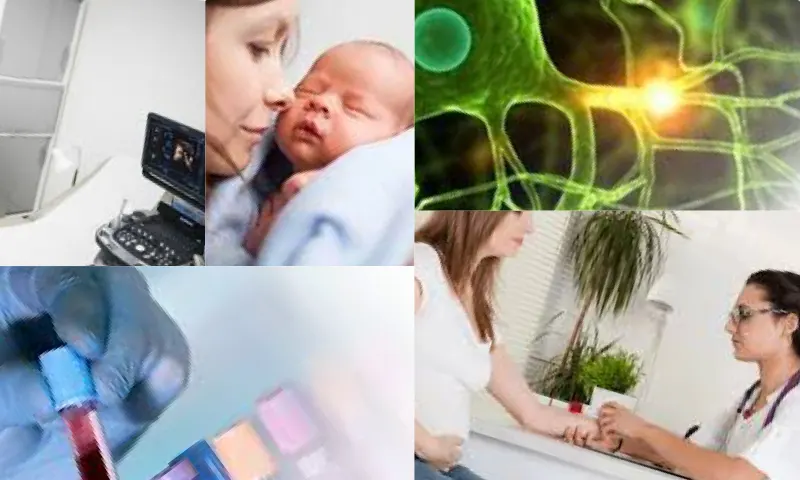
Couples sometimes fail to conceive naturally. In vitro fertilization (IVF) has become the most well-known method to help couples achieve their desire to have a child. IVF involves fertilizing an egg from the mother with sperm from the father under laboratory conditions. You can visit the site at href="" target="_blank"> for more detailed information on all these processes. After successful fertilization, the fertilized egg is transferred to the mother's uterus. Although IVF treatment has a high success rate, it may not always yield positive results on the first attempt. The quality of the sperm from the father and the implantation of the fertilized egg in the mother's uterus are crucial in the first step of the treatment. Couples should be patient during the treatment process and not give up after the first setback. Sometimes, success is achieved after 7-8, or even 9-10 attempts.
Important Considerations in IVF Treatment
Another important aspect of IVF treatment, besides biological or physical issues, is psychological support. Couples undergoing IVF treatment may lose hope due to the length of the process and the negative outcomes experienced. Psychology is one of the most influential factors in all areas of life, so it is sometimes recommended that couples undergoing IVF treatment also receive psychological support. During this process, mutual support between the prospective parents and healthy communication also positively affect the course of treatment and the process. To achieve success in IVF, it is also important for the prospective parents to undergo a comprehensive health check-up before this treatment. The egg reserve and quality of the mother, and the sperm count and quality of the father should be examined before treatment, and treatment should begin based on the results. During the treatment, morale should be kept high, and attention should be paid to physical and mental health.





