
Klatskin Tumor
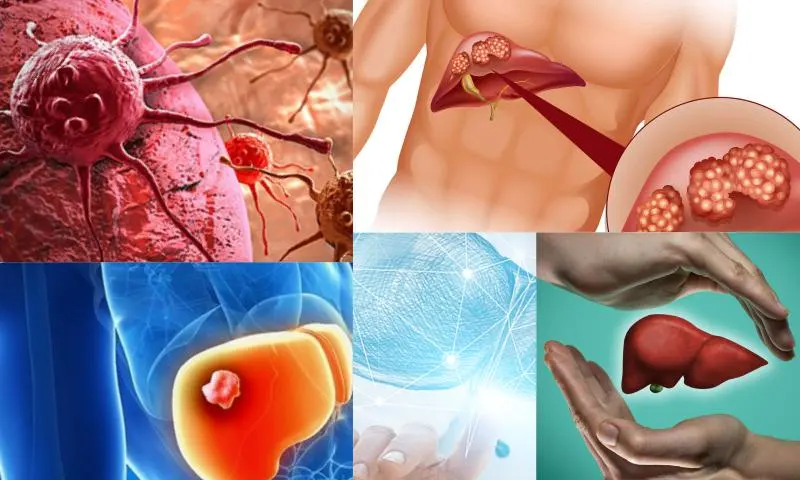
Klatskin Tumor Symptoms
Klatskin tumor, also known as bile duct cancer, is the most common type of cholangiocarcinoma. It occurs at the branching of the hepatic ducts. Although Klatskin tumors are small, they are aggressive tumors. They are tumors that arise in the cells at the junction where the right and left hepatic ducts, which surround the bile ducts in liver cancer, meet. You can examine the page for detailed information. These tumors are called Klatskin tumors. They can affect both sides, the right and left hepatic ducts, or they can affect only one side. The same applies to the liver. They can affect both lobes or just one lobe.
Klatskin tumor symptoms do not show any signs in the early stages of the disease. The appearance of symptoms begins with the obstruction of the bile duct. This is an indication that the disease has progressed. Early diagnosis is, of course, very important in this type of cancer as well. However, they can be discovered in liver patients who undergo regular health check-ups in the early stages. Symptoms such as jaundice of the skin, fever, changes in stool and urine, nausea, and vomiting can be seen with the obstruction of the bile duct.
Klatskin Tumor Stages
Knowing the cancer stages is important for determining the exact location of the tumor mass and for evaluation before surgery.
- Stage 1: The tumor is limited to the hepatic duct distally to the right and left hepatic ducts.
- Stage 2: The tumor also involves the junction of the right and left ducts.
- Stage 3: It is located in one of the hepatic ducts.
- Stage 4: The tumor grows in both the right and left hepatic ducts. Surgery cannot be performed.
Generally, symptoms appear and are noticed when the tumor reaches advanced stages, making treatment sometimes difficult. The goal of surgical intervention is to remove the Klatskin tumor and relieve the obstruction in the bile duct. However, since the liver and bile ducts are very close to each other, if the individual is a bit lucky and only one of the lobes or ducts is affected, the tumor will be safely and completely removed.
.





