
What is a Sediment Separator?
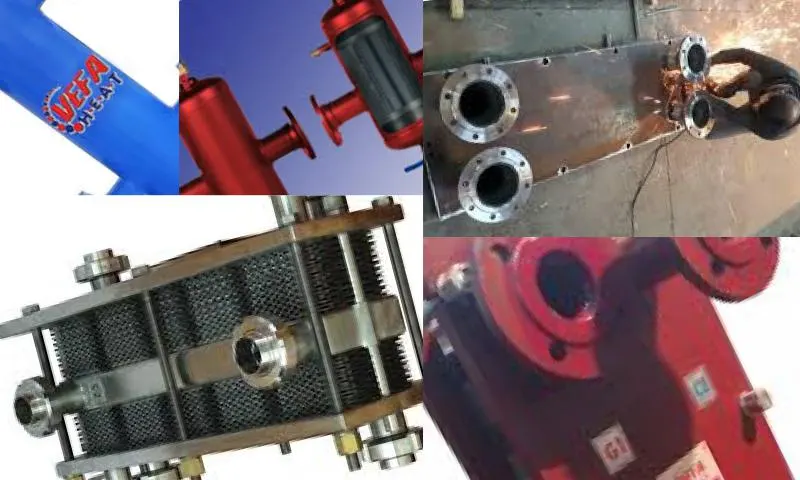
In heat transfer systems, the fluid circulating within the mechanical installation can carry dirt and matter. These physical substances in the fluid may arise from chemical reactions or occur in other ways. Regardless of how they form, these unwanted situations lead to the accumulation of sediment. If this sediment is not removed or cleaned from the system, the capacity and efficiency of heat transfer systems will decrease. Additionally, it can cause wear due to the movement of these substances within the mechanical installation and heat transfer system. More information about this component, which will elevate your living standards, is available at https://www.vefaheat.com/separatorler/paket-hava-tortu-ayirici/.
If we ask about the importance of sediment separators, it can be listed as follows:
- It increases the lifespan of mechanical installations.
- It prevents wear in the heat transfer system.
- It increases efficiency.
Usage of Sediment Separators
Sediment separators are generally used in conjunction with heat exchangers. They serve as auxiliary components and contribute to the system. These auxiliary components require more periodic maintenance than other heat exchanger system components. Due to continuous operation and the need for dirt trapping, the filter used must be cleaned before it gets clogged.
What Should Be the Characteristics of an Ideal Sediment Separator?
- The maximum operating temperature should be 100 ˚C.
- The maximum operating pressure should be 10 bar.
- The connection type should be flanged.
- It should be made of stainless steel.
When choosing a sediment separator with these characteristics, the operational capacity that makes the system functional should also be considered. Otherwise, the separator cannot fully perform its function of trapping sediment, and the fluid it needs to filter will not be adequately filtered, leading to sediment leaking into the heat exchanger system. This shortens the lifespan of the heat exchanger system and causes premature failures. Some sediment separators have a separate chamber, and the sediment trapped in the system can be easily cleaned with the help of this chamber.





